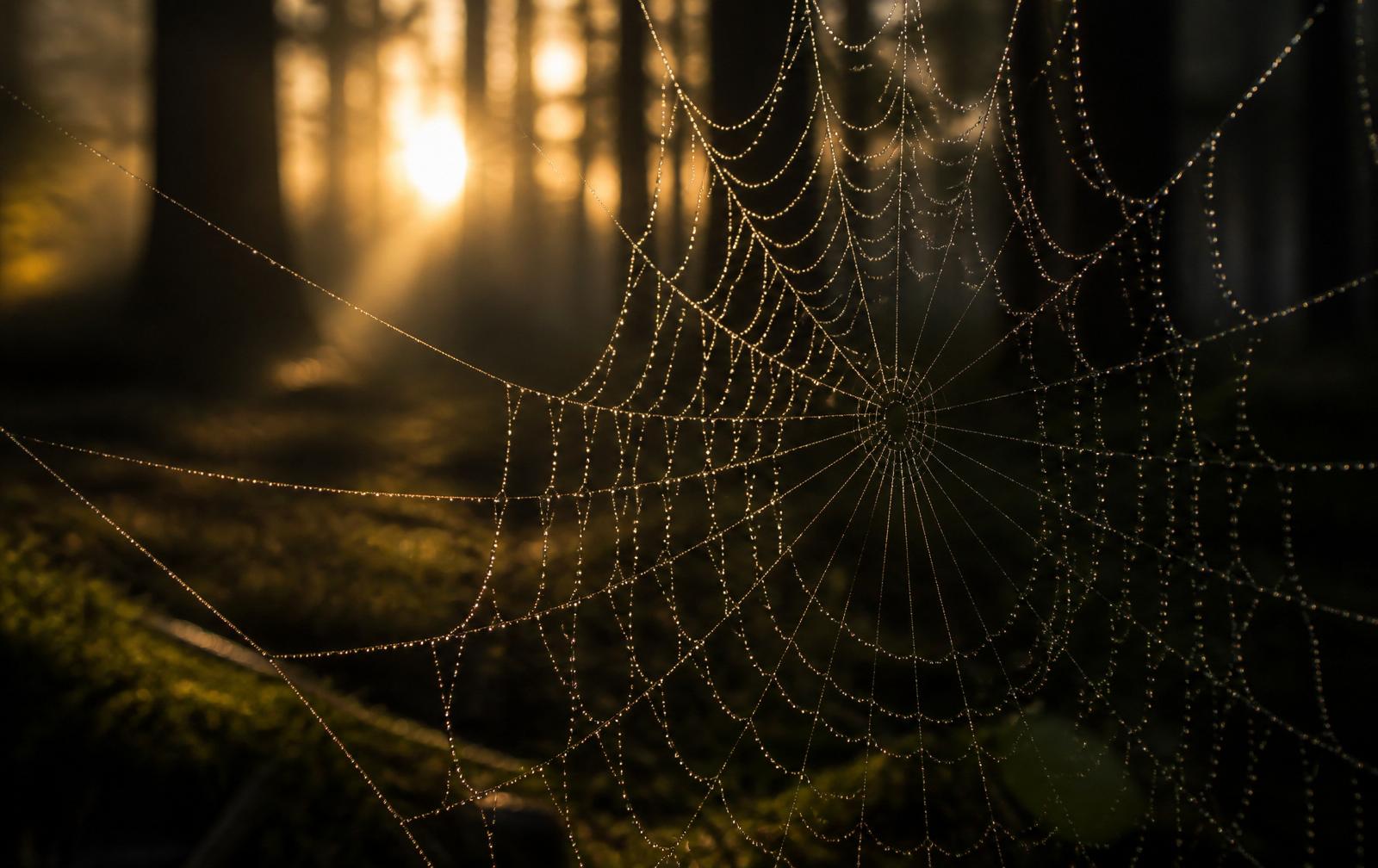
Dew beaded along the radial threads of a spider web, backlit by sunrise in a dark forest

Issue 01 · Ongoing

Small mechanics of a very old world.

Quiet Earth is a slow, independent publication. Each entry pairs one original image or short clip with a plain-language note about what is actually happening in it — no clickbait, no borrowed footage, no engagement bait.

Field notes

28 entries

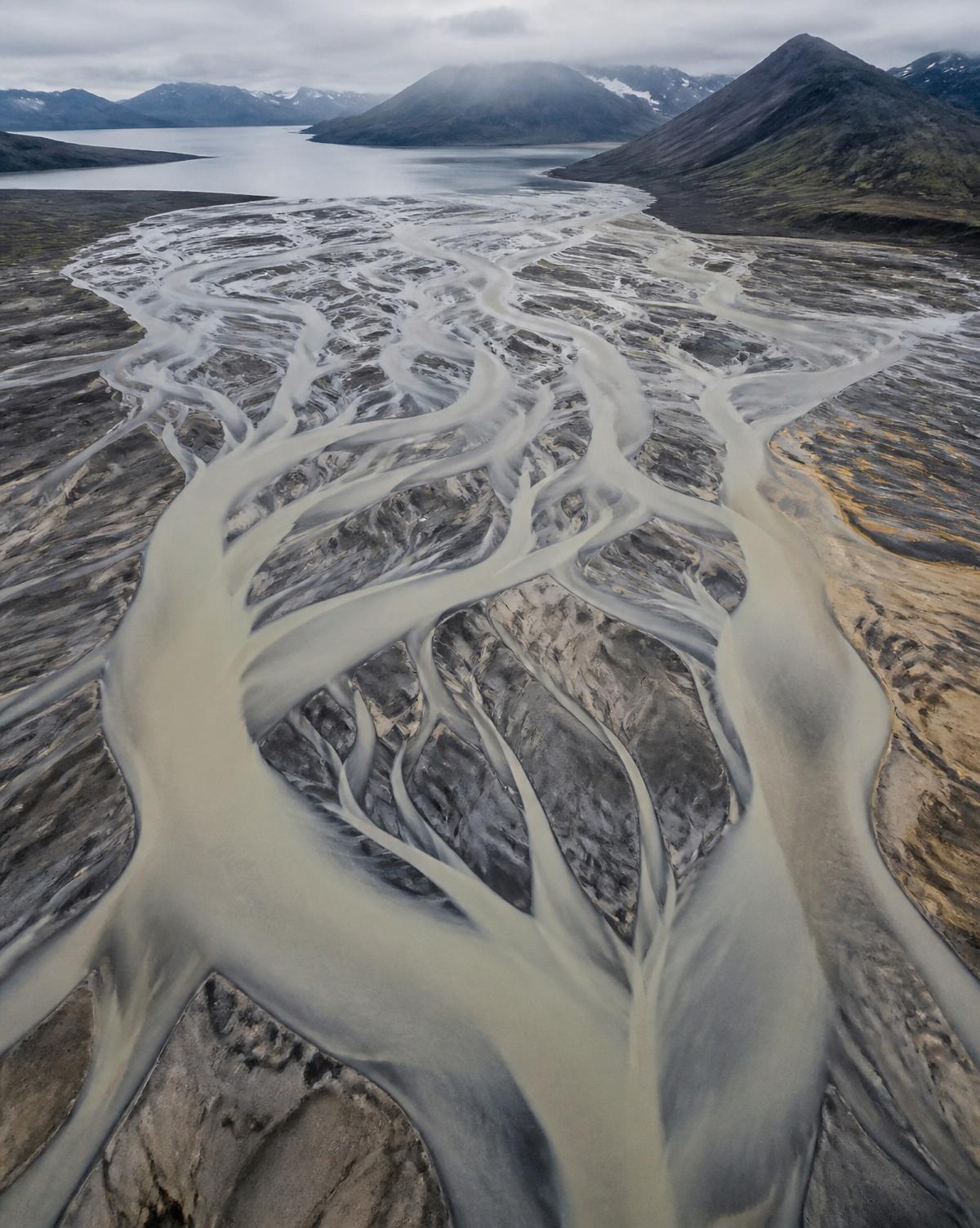
Aerial view of a braided glacial river delta cutting silt channels through grey sediment
No. 001Still · Glacial outwash plain

The river that refuses one path

A braided river carries so much ground-up rock that it constantly buries its own channel — and has to invent a new one. The pattern you see is a map of every decision it made this season.
No. 002Motion · Meadow, first light

Ten seconds of surface tension

A droplet holds itself together until its own weight beats the pull of its skin. The moment it lets go is the moment gravity finally wins an argument it has been having all night.

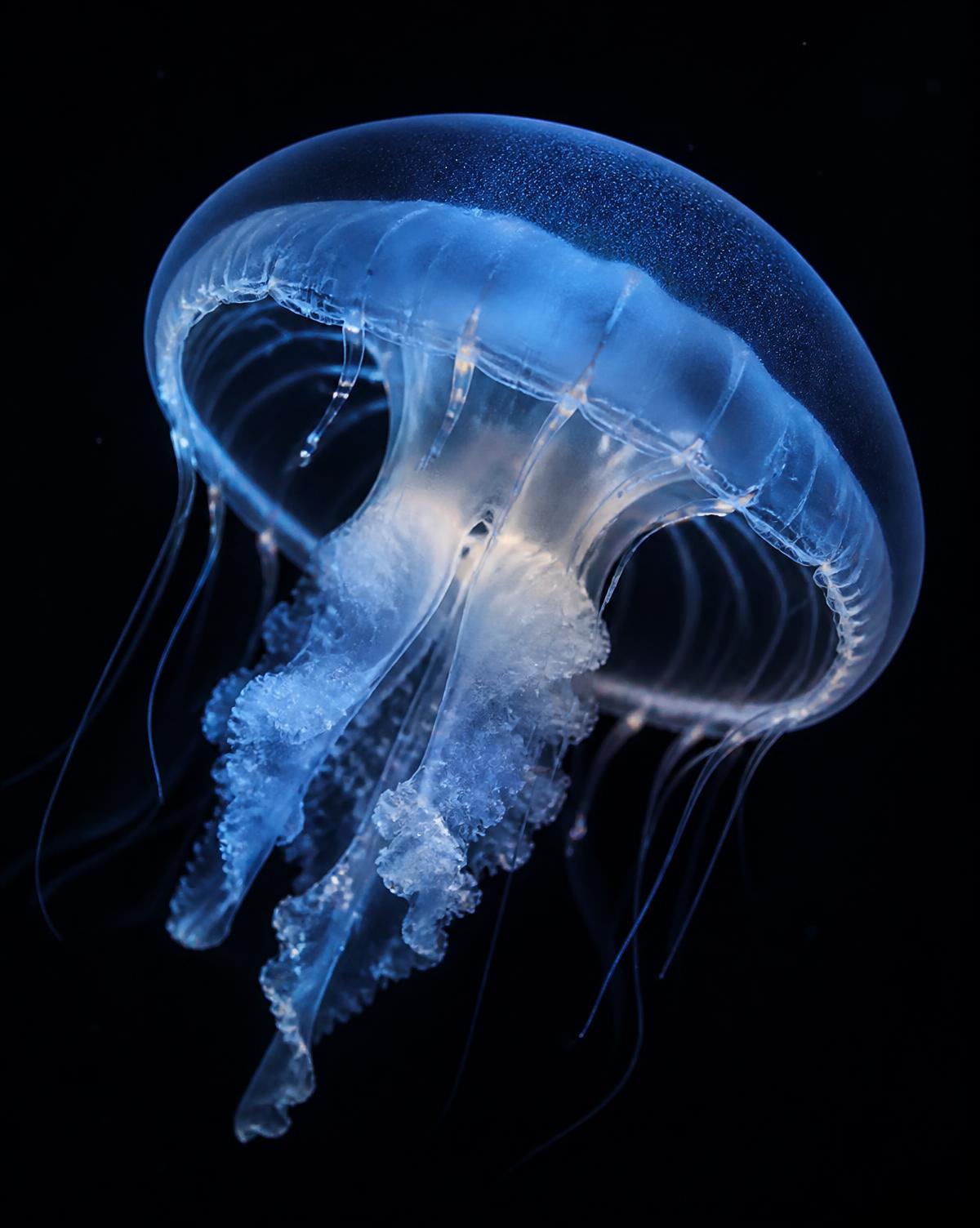
Translucent blue jellyfish drifting against a black deep-water background
No. 003Still · Open water column

An animal that is mostly water

Around 95% of a jellyfish is water. It has no heart, no bones, and no brain — and it has been doing this successfully for over 500 million years.

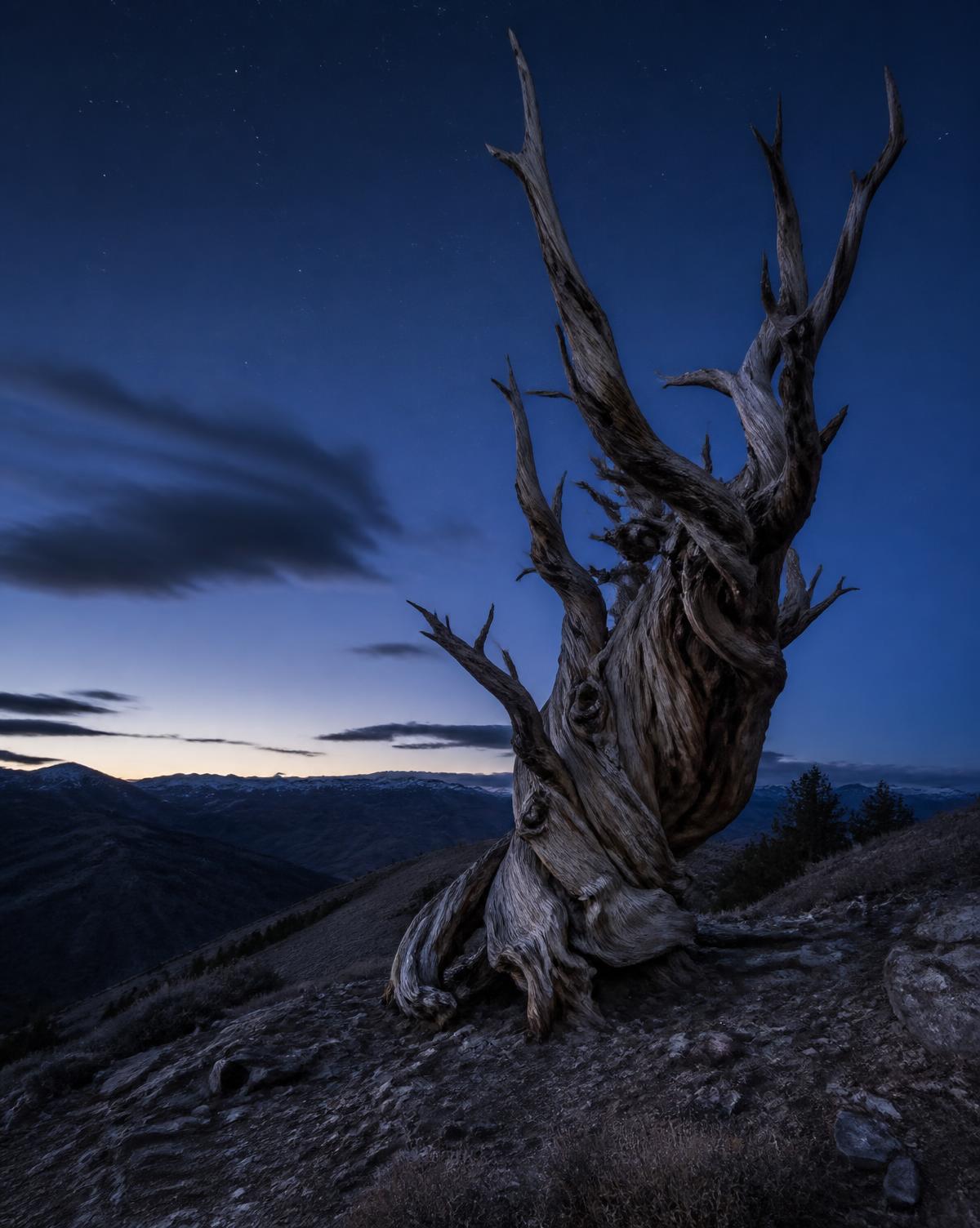
Twisted ancient bristlecone pine on a ridge at blue hour beneath emerging stars
No. 004Still · High alpine ridge

Older than written language

Bristlecone pines grow slowly on purpose. The wood becomes so dense and resinous that rot and insects can't get in. Some standing trees were already ancient when the first alphabets were carved.

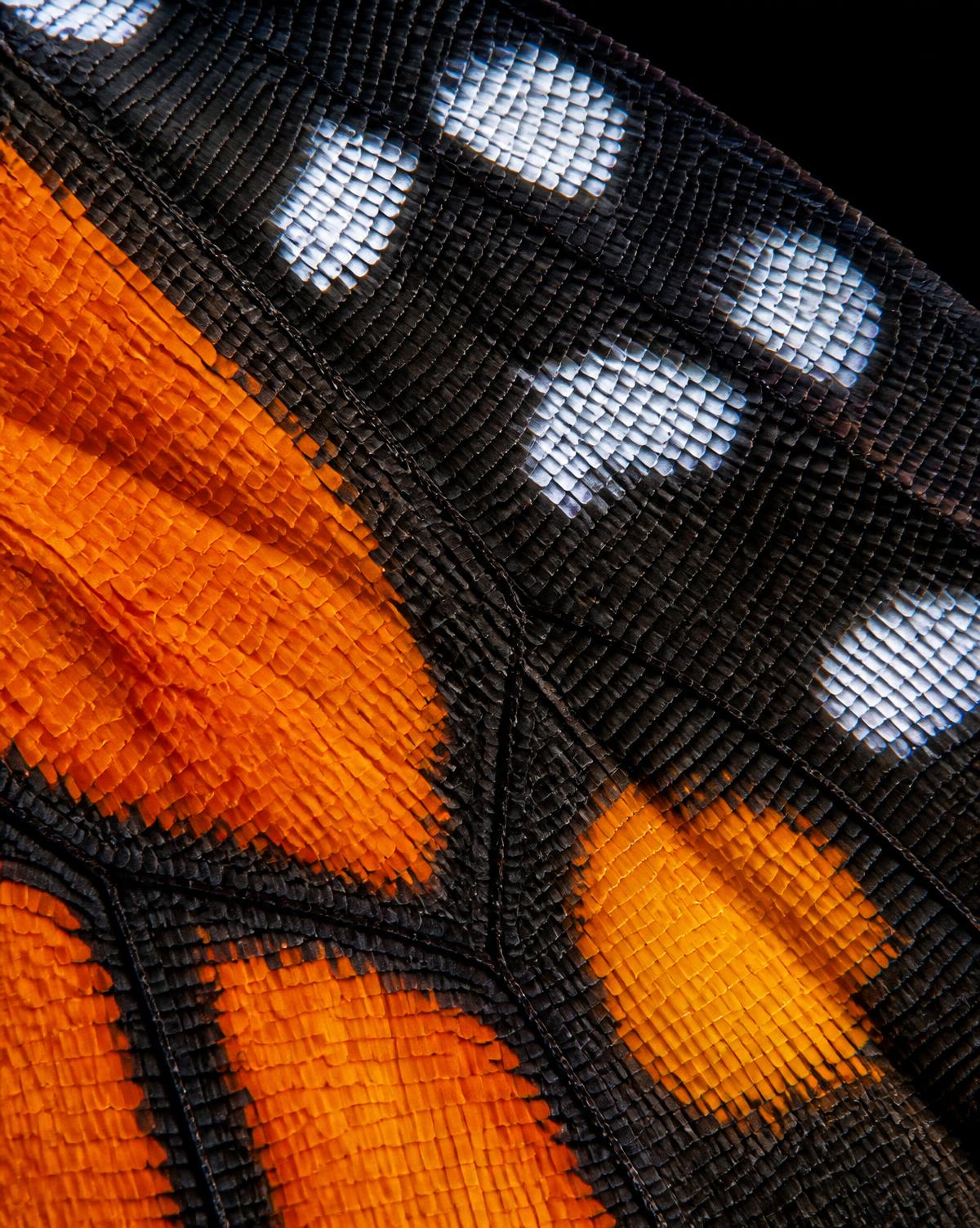
Extreme macro of orange, black and white overlapping butterfly wing scales
No. 005Still · Macro study

Not paint — roof tiles

A butterfly wing isn't coloured like a canvas. It's shingled with thousands of overlapping scales, each one a single cell's worth of pigment, laid down like tiling on a roof.

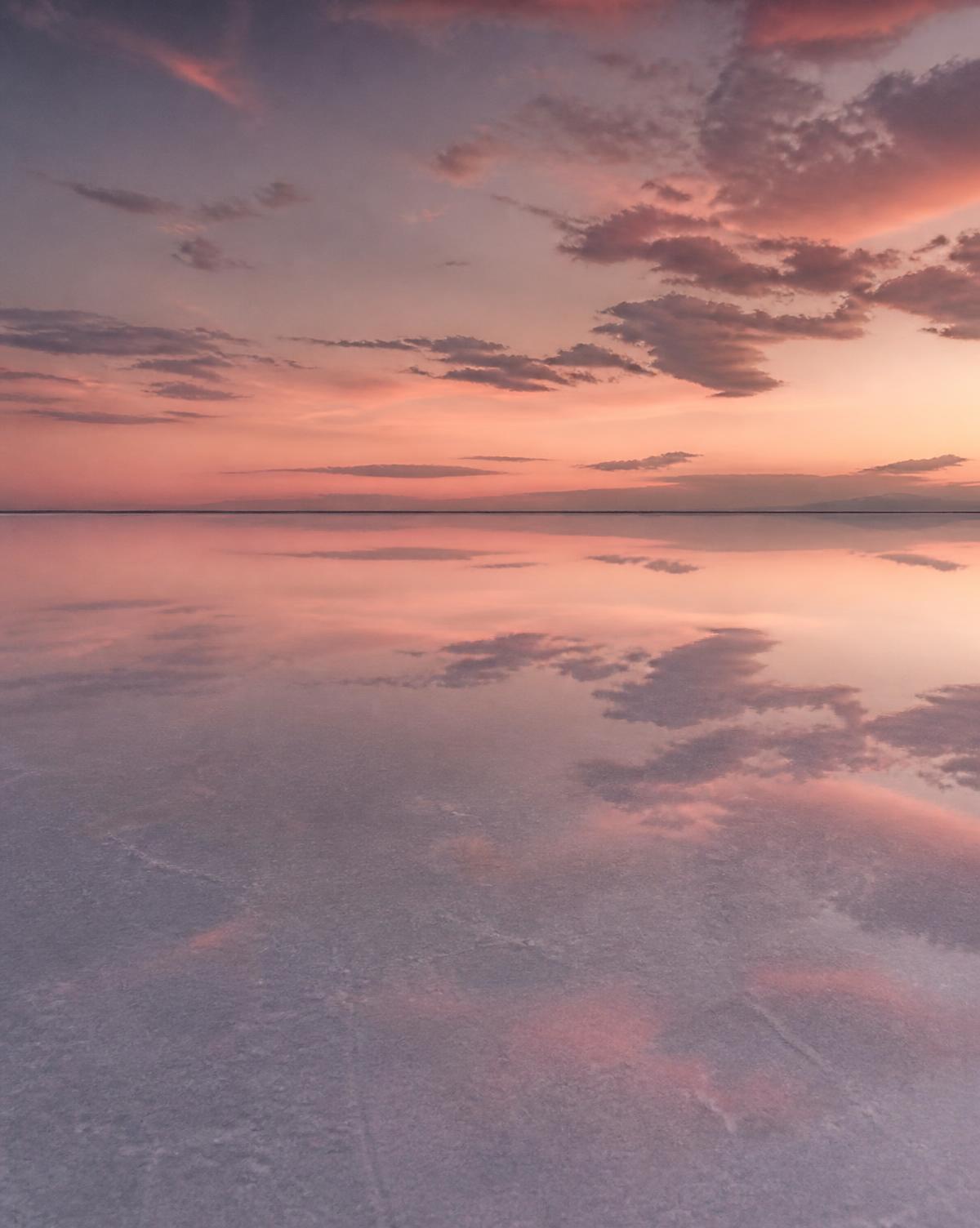
Salt flat covered in a thin water film mirroring a pink and lilac dusk sky
No. 006Still · Salt pan at dusk

Where the horizon stops existing

When a thin film of water sits on a perfectly flat salt pan, the reflection is close to optically ideal. There is a line in the distance, but your eye can no longer decide which half of it is sky.

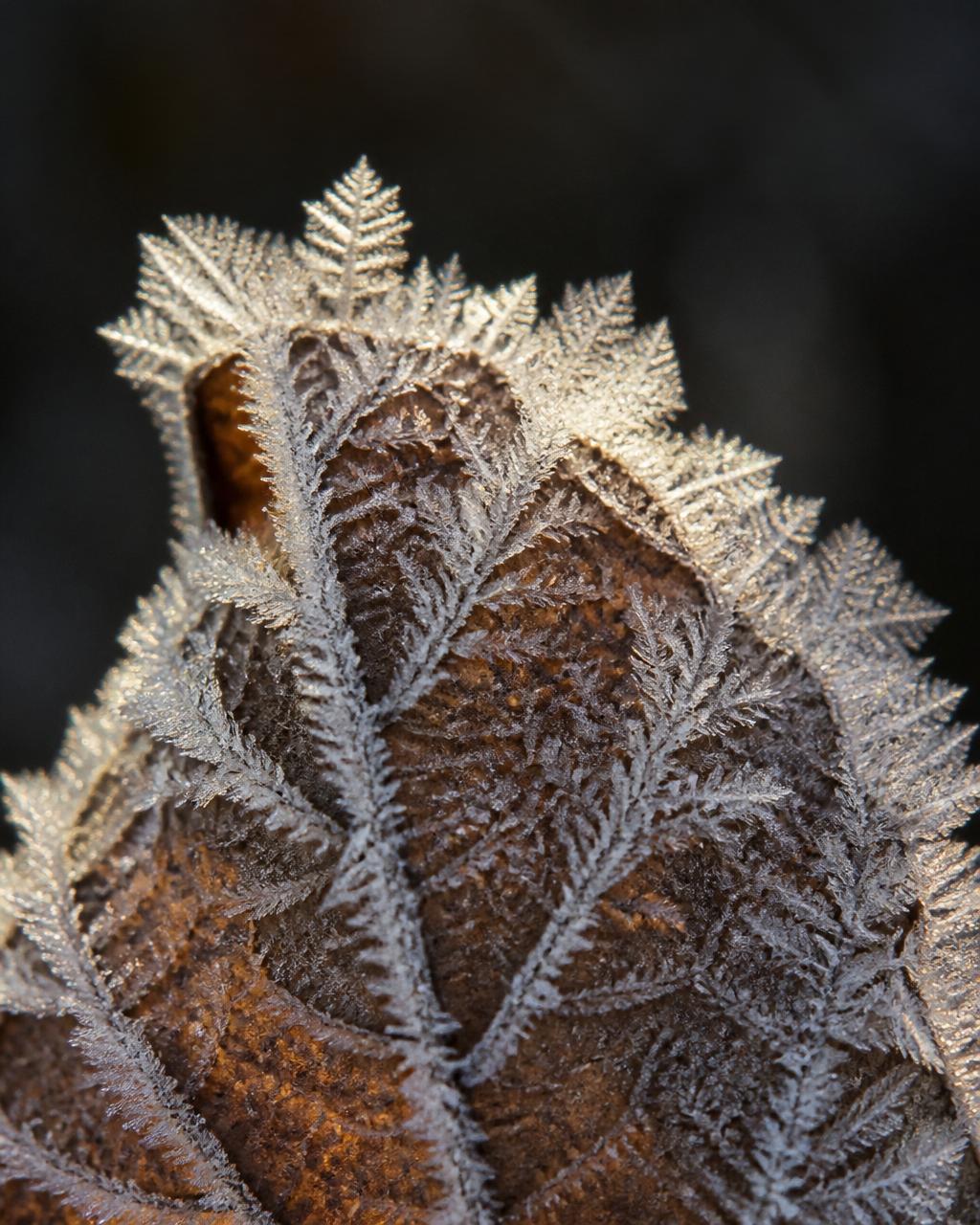
Macro of frost crystals forming fern-like patterns across a brown frozen leaf
No. 007Still · Frozen meadow

A fern drawn in ice

Water vapor skips the liquid stage and becomes crystals directly. The shape it takes copies the veins of the leaf underneath because the surface guides where ice can start.

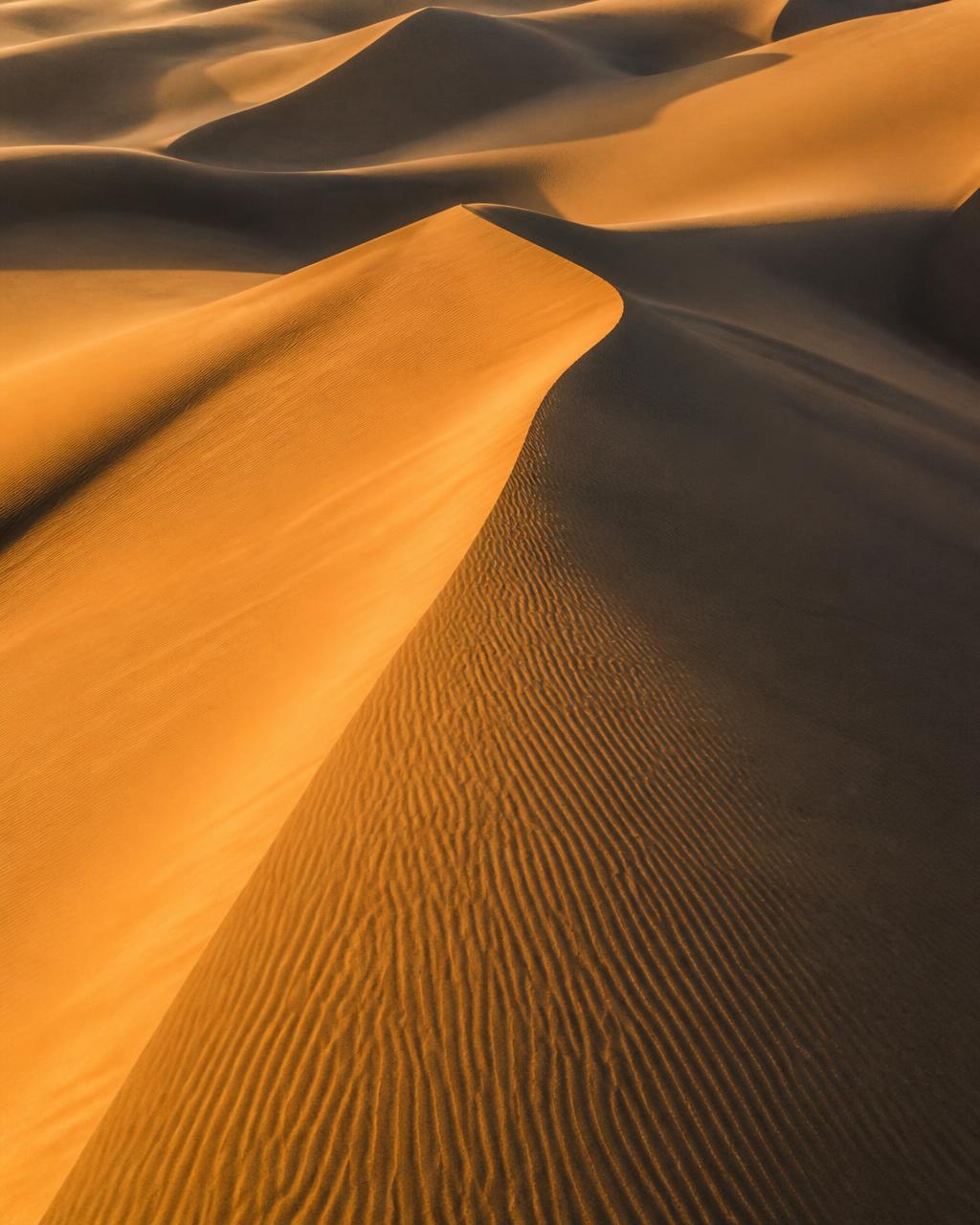
Aerial view of wind-sculpted sand dunes with sharp ridges in warm golden light
No. 008Still · Arid basin

Wind's handwriting

Sand dunes are not random; they form at the angle where wind can lift grains but not keep them airborne. Each ripple is a record of average wind speed and direction.

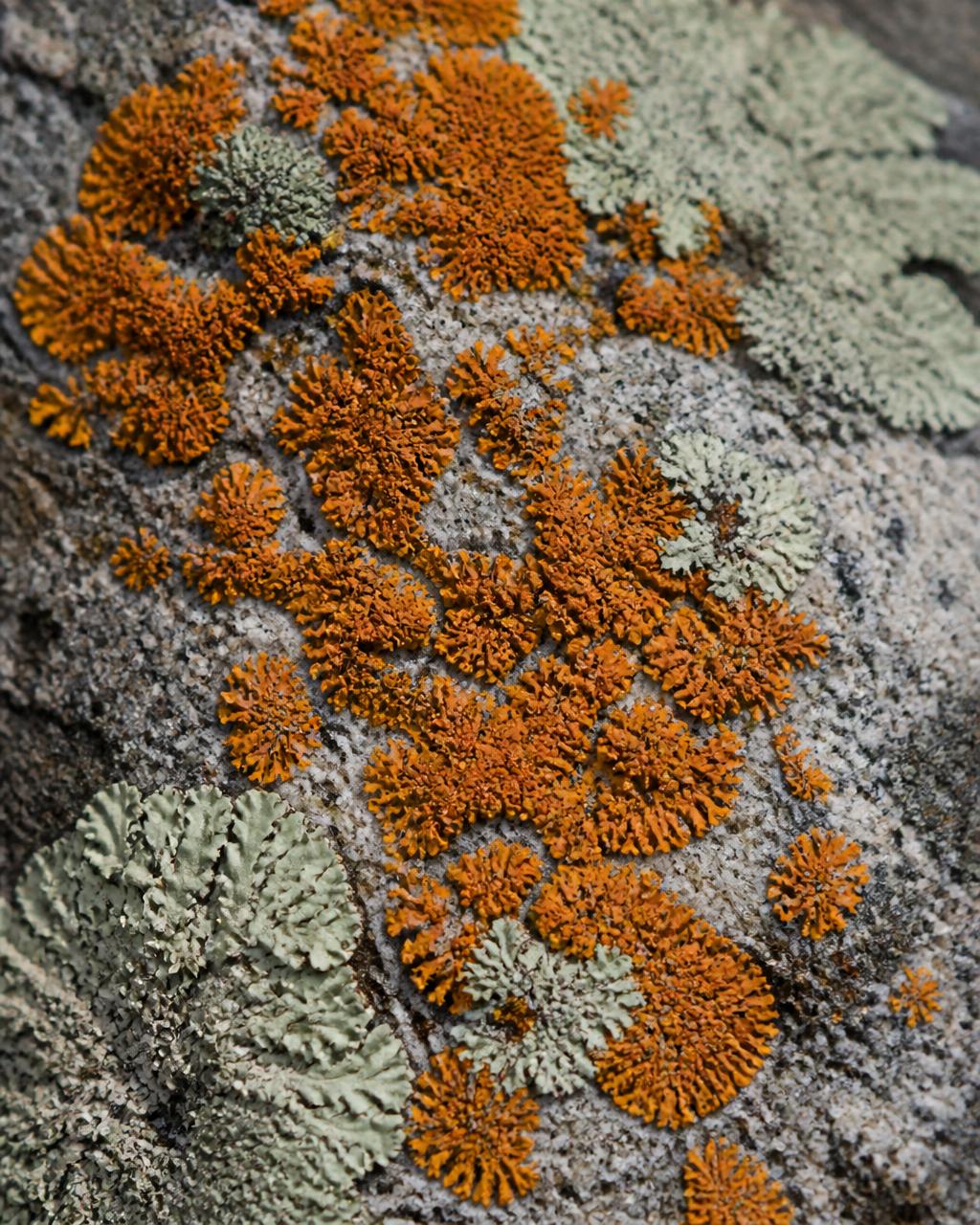
Close-up of orange and pale green lichen colonies growing on grey granite rock
No. 009Still · Granite outcrop

Two organisms pretending to be one

Lichen is a fungus and an alga living together. The fungus holds water and structure; the alga makes food from sunlight. Neither survives here alone.

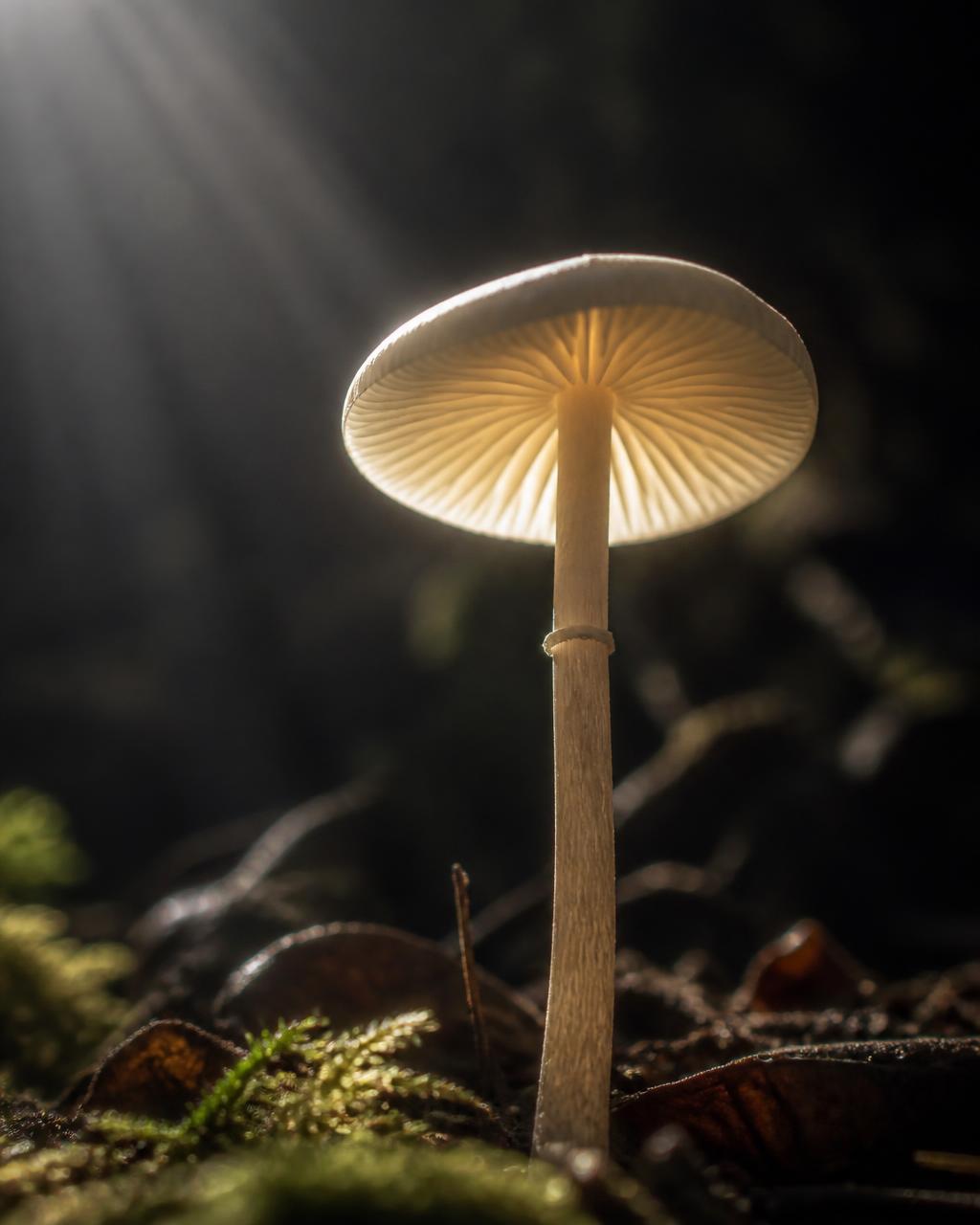
Backlit single mushroom on a forest floor showing delicate gills and slender stem
No. 010Still · Forest floor

The part we see is just the fruit

A mushroom is a temporary spore factory. The real organism is a thread network underground that can stretch for acres and live for decades.

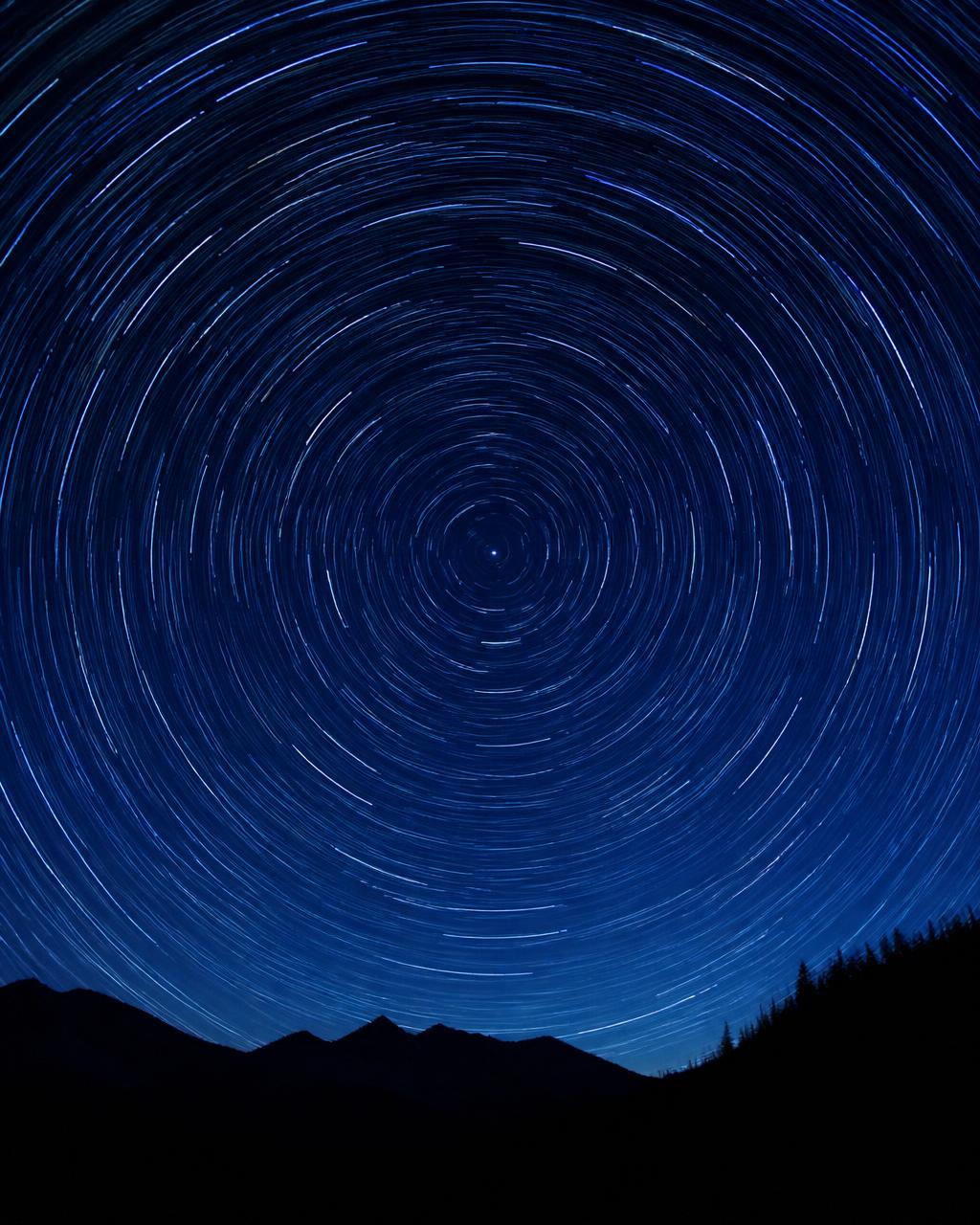
Long-exposure night sky with circular star trails around a central stationary star
No. 011Still · Dark-sky preserve

One stationary point

As Earth turns, every star streaks except the one aligned with the planet's axis. Polaris stays nearly still because it sits almost directly above the North Pole.

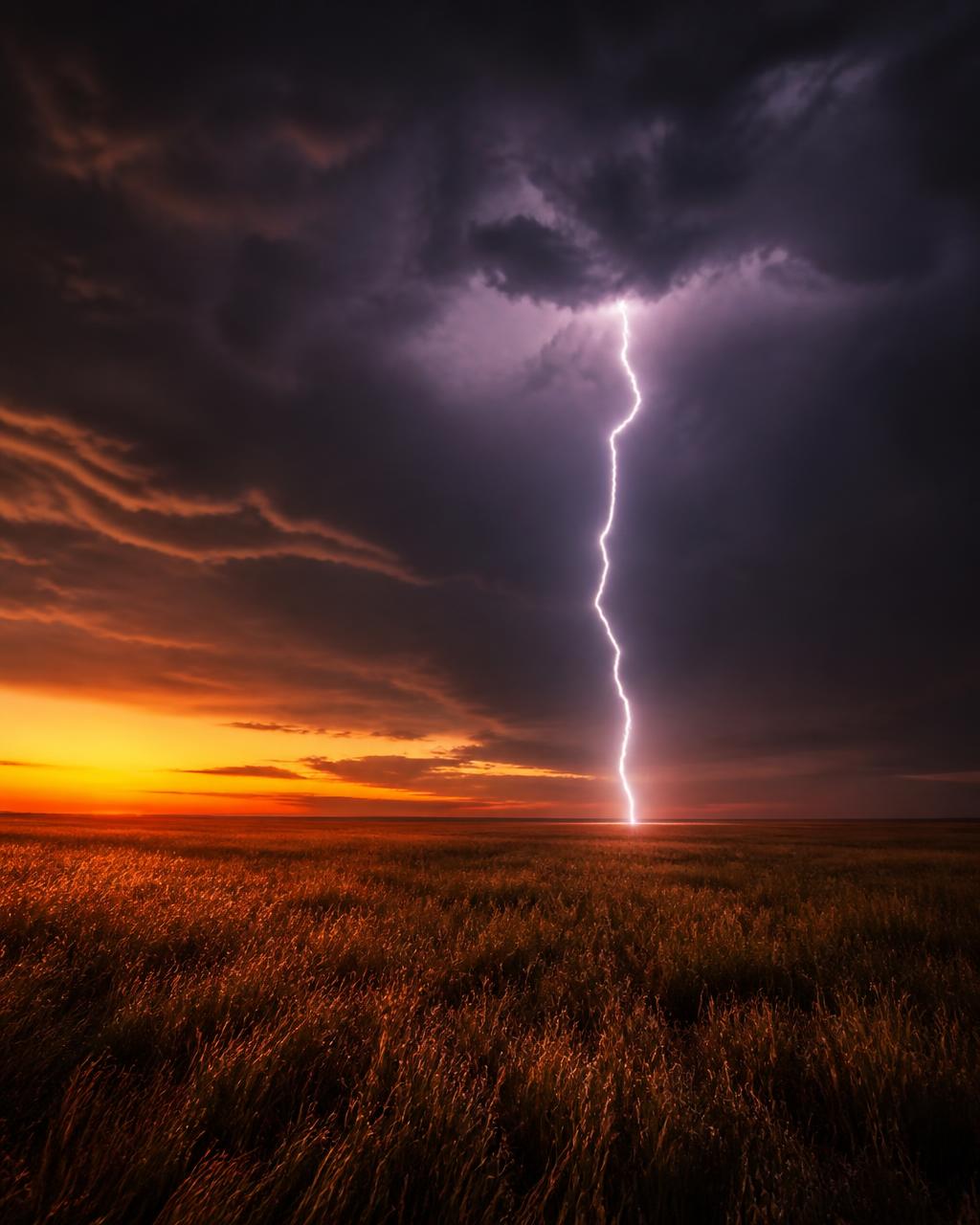
Dramatic lightning bolt striking a vast prairie beneath dark storm clouds at dusk
No. 012Still · Summer prairie

A channel hotter than the Sun's surface

A lightning bolt is plasma — air heated to about 30,000°C. The flash is the return stroke, light racing back up the path the leader carved.

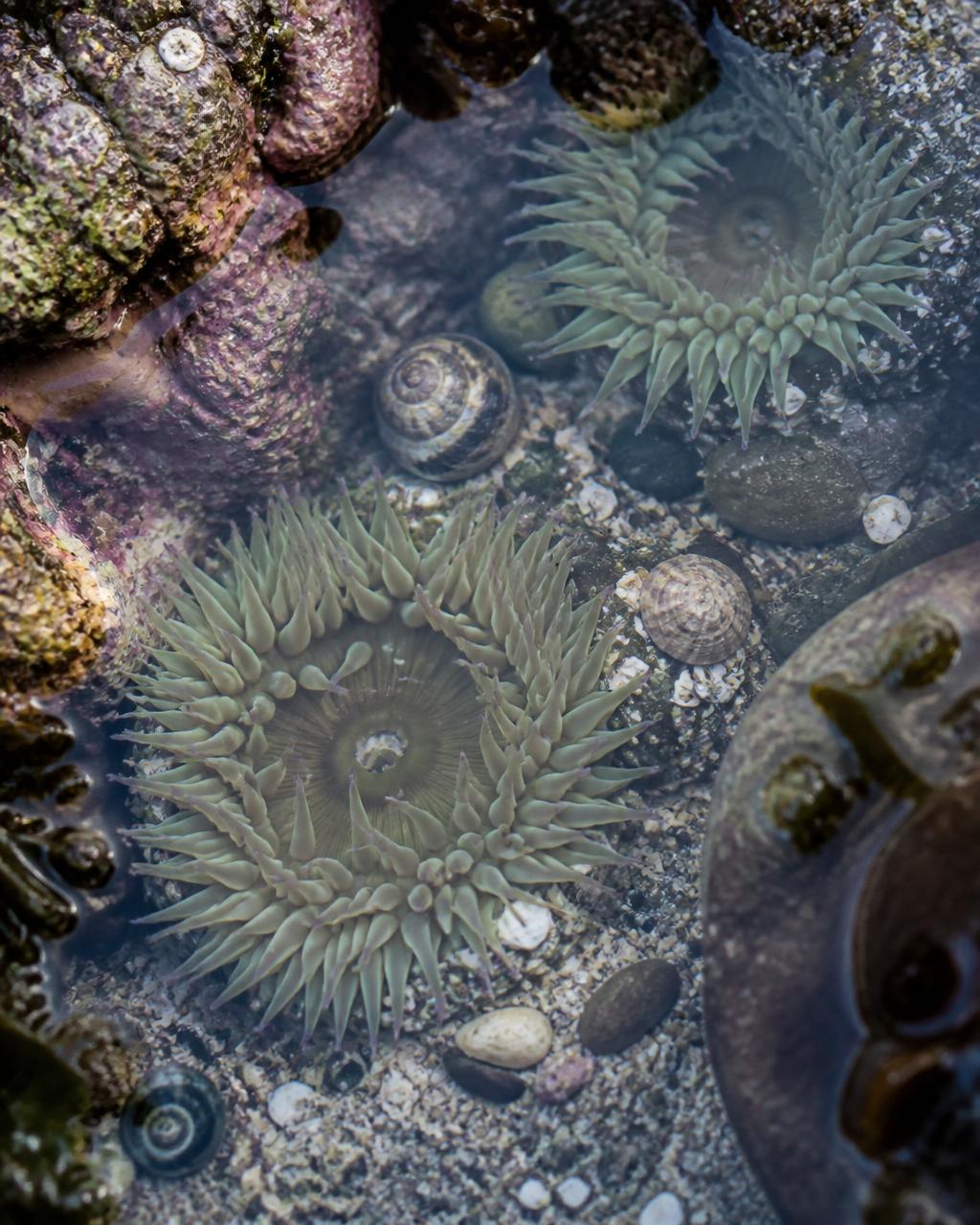
Close-up of a tide pool with sea anemones and small shells in clear water
No. 013Still · Rocky shore

A world between two tides

When the ocean pulls back, pockets of water become temporary aquariums. Anemones keep their tentacles open, waiting for the next wave to bring food.

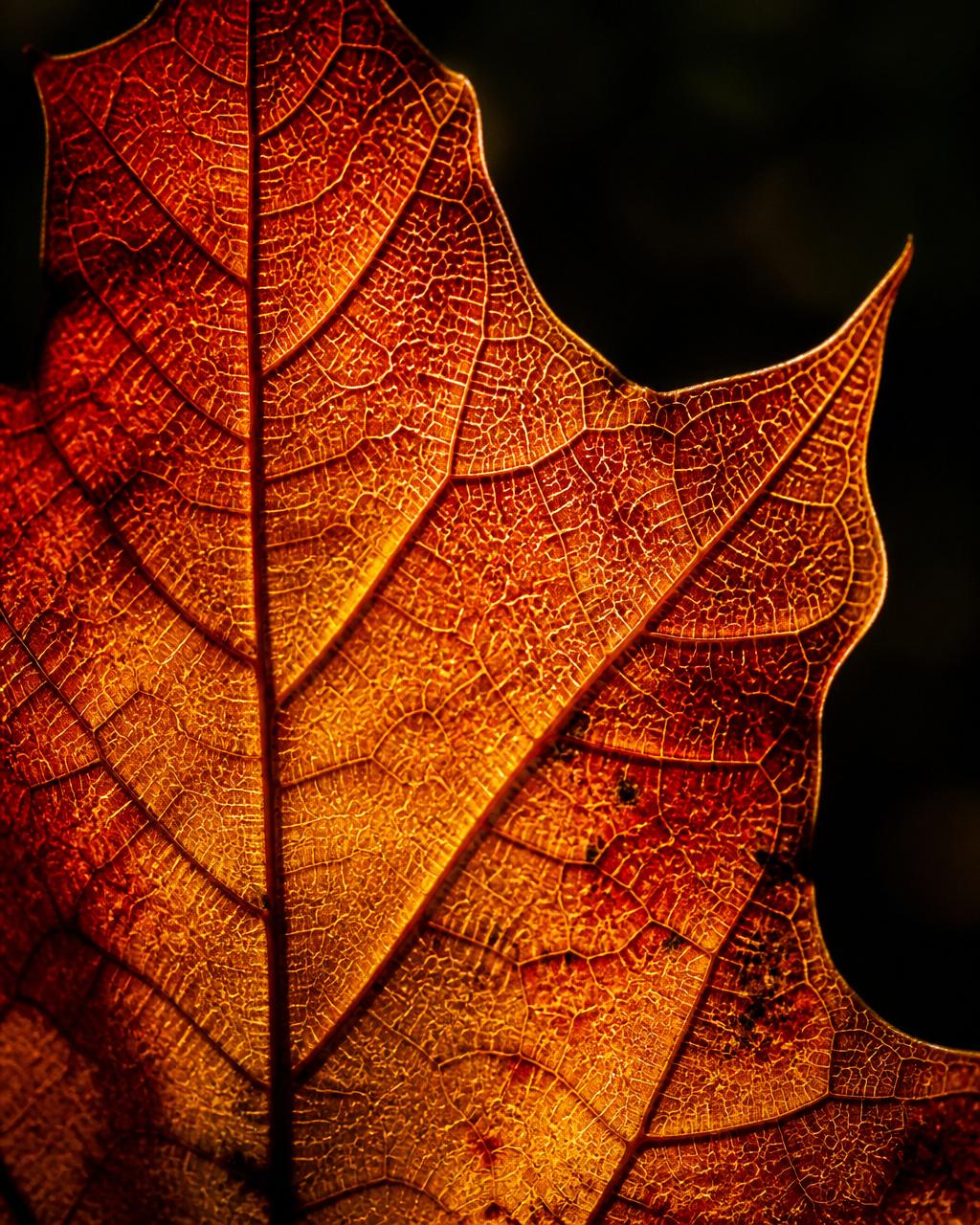
Backlit autumn leaf revealing intricate branching vein network in glowing red and gold
No. 014Still · Deciduous forest

The original road network

A leaf's veins do two jobs: deliver water up and carry sugars down. The branching pattern is one of the most efficient ways to serve every cell.

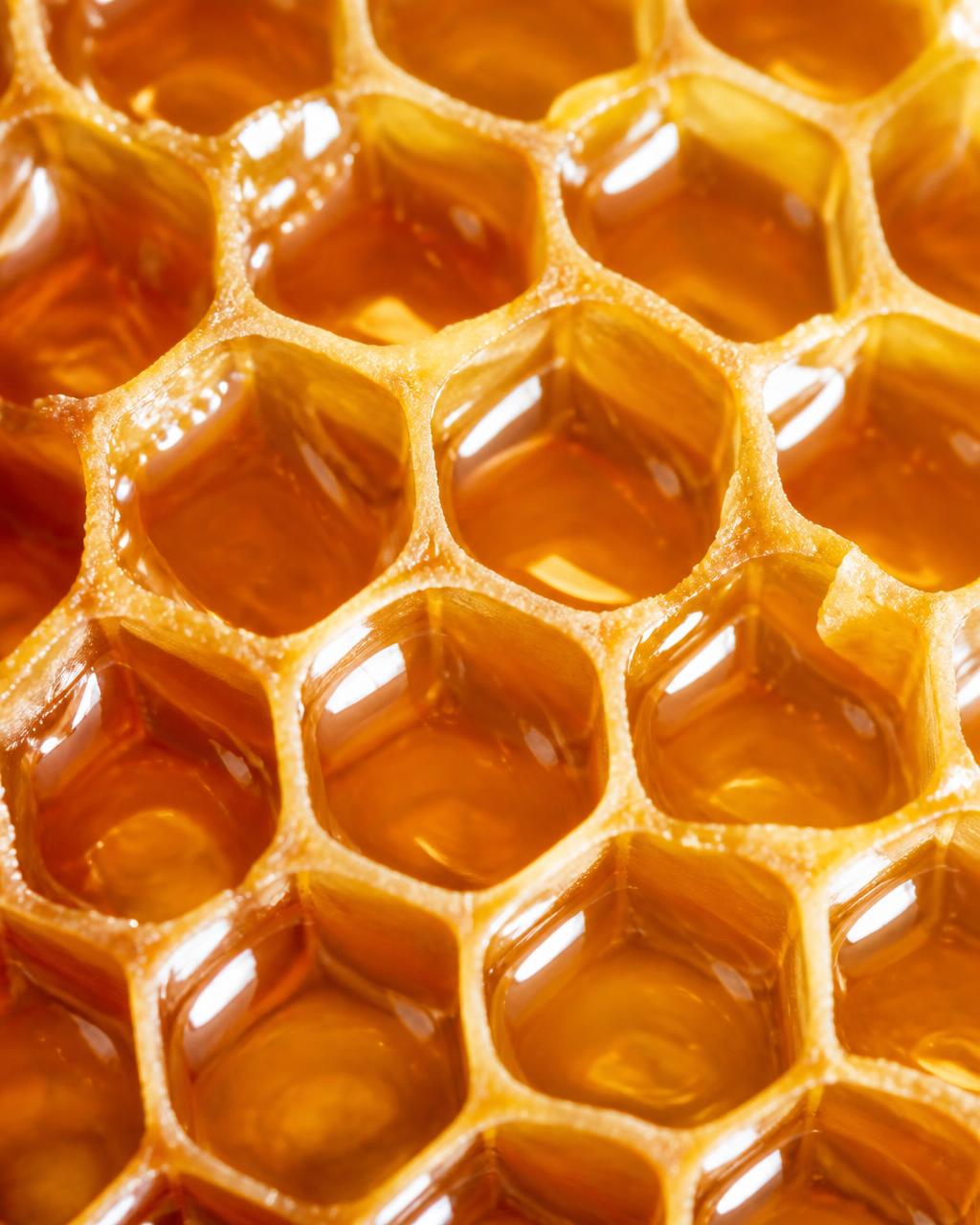
Extreme close-up of honeycomb cells filled with golden honey, hexagonal geometry
No. 015Still · Apiary

Every cell is a storage jar

Bees build hexagons because the shape packs the most volume with the least wax. It is geometry chosen by thrift, not by a ruler.

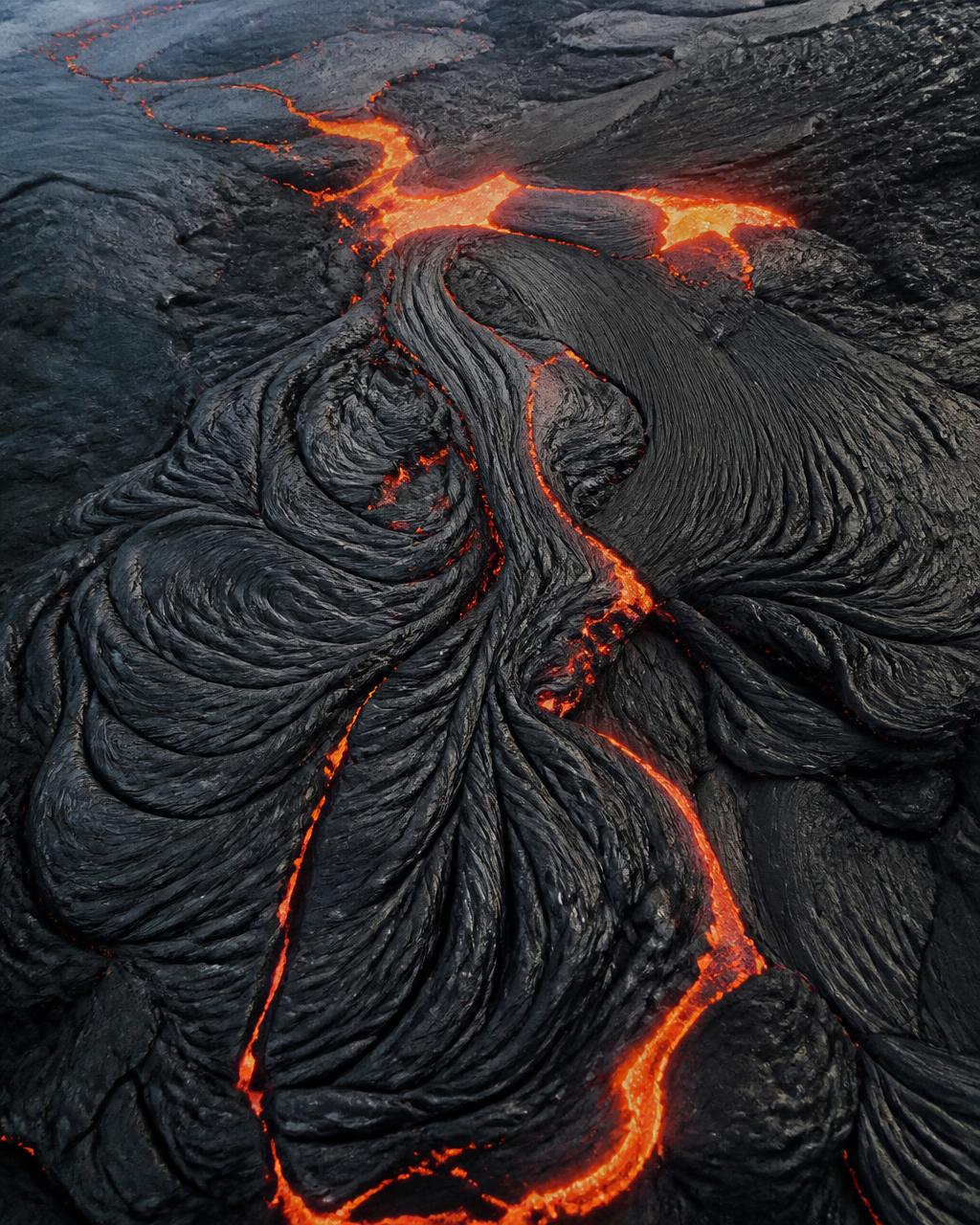
Aerial view of cooling black pahoehoe lava with glowing orange cracks in the folds
No. 016Still · Volcanic field

New land cooling into itself

Pahoehoe lava forms a skin while molten rock still moves beneath it. The folded surface is the crust of a river that is slowly turning to stone.

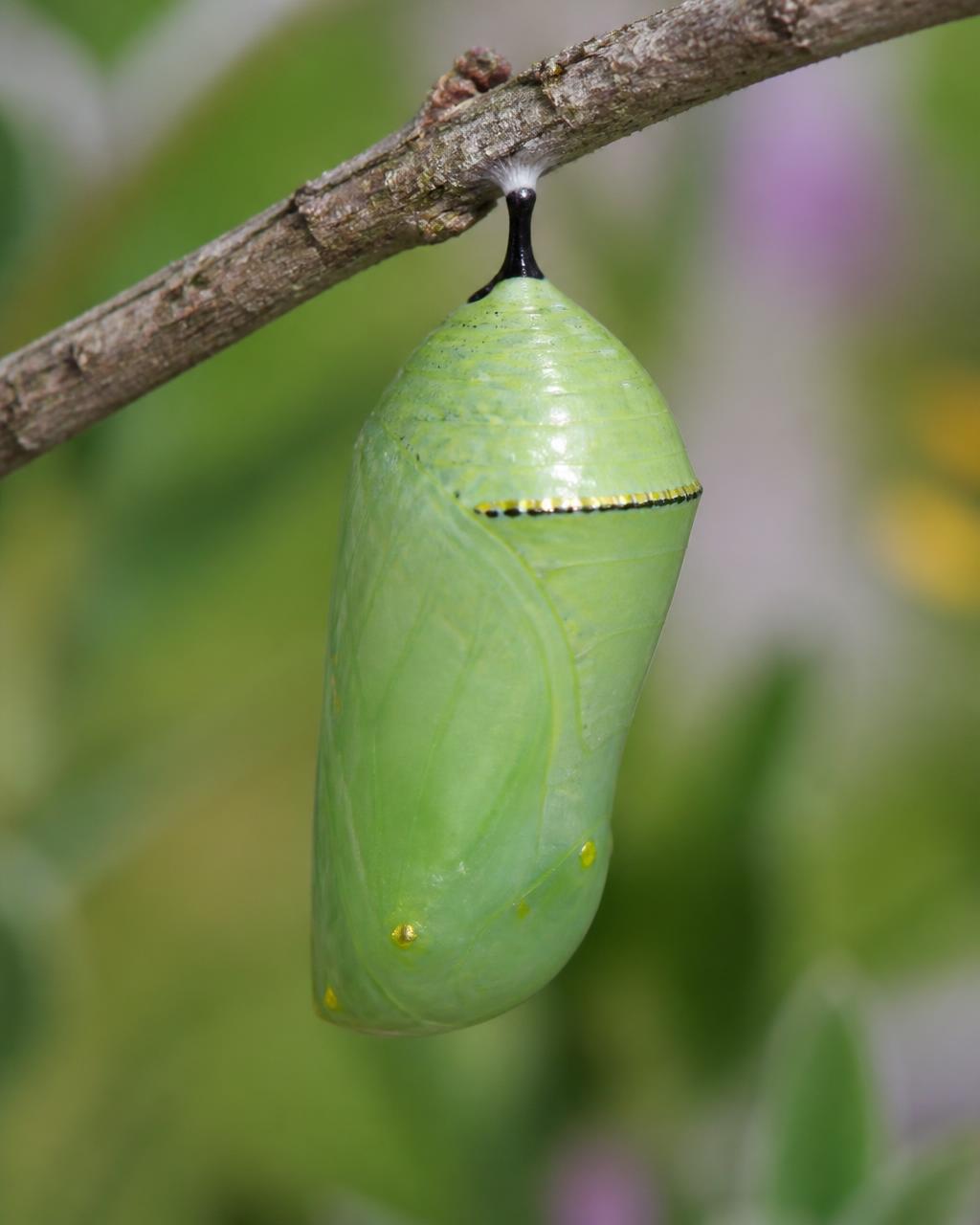
Macro of a green monarch butterfly chrysalis with gold spots hanging from a twig
No. 017Still · Garden

A body rebuilt in secret

Inside the chrysalis, a caterpillar dissolves most of its tissues and reassembles them into wings, legs, and antennae. The same cells become something entirely new.

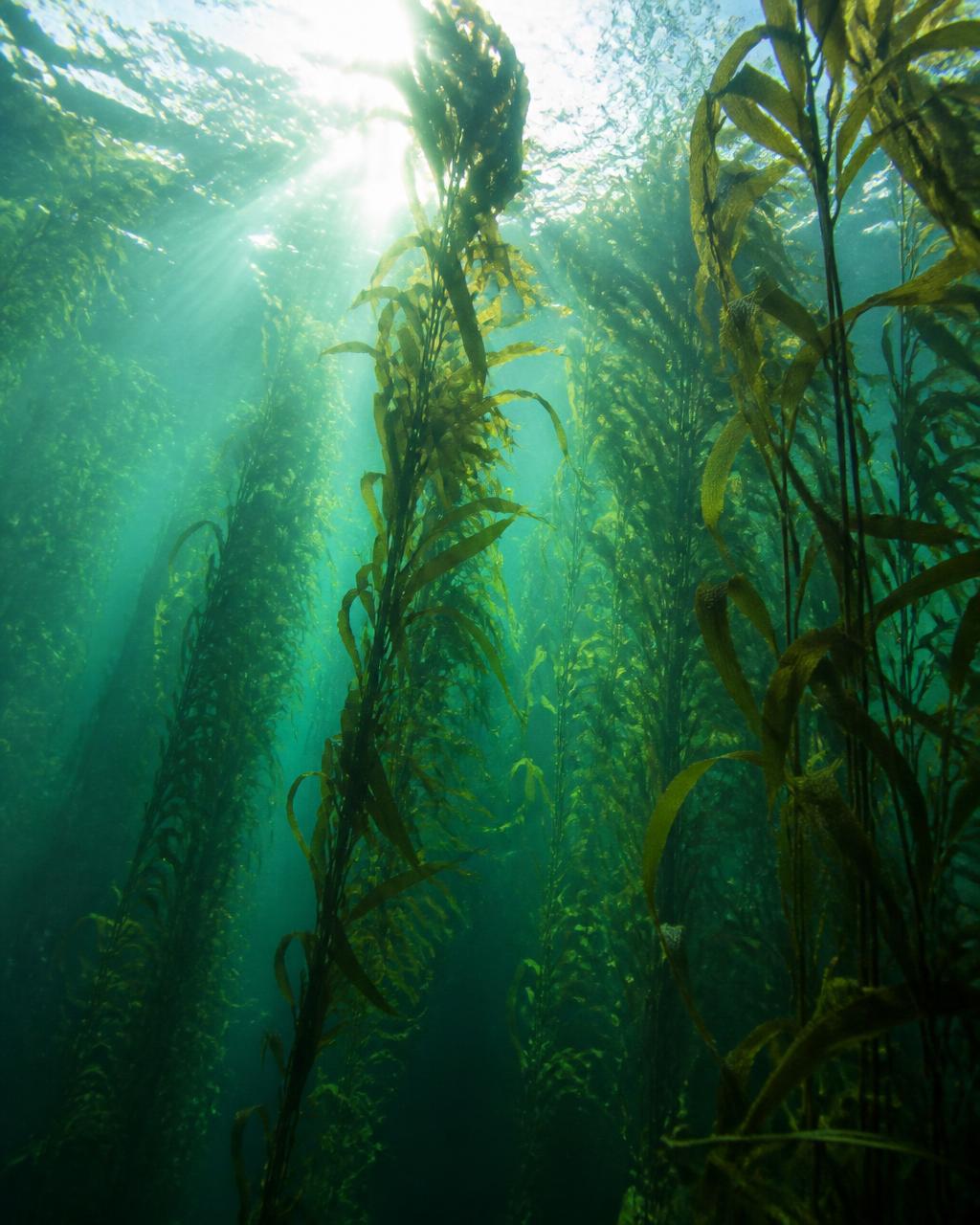
Underwater sunlight streaming through tall giant kelp fronds toward the surface
No. 018Still · Coastal kelp forest

An underwater forest that breathes

Giant kelp grows from the seafloor toward the sun, anchored by a root-like holdfast. It can grow up to two feet per day in cold, nutrient-rich water.

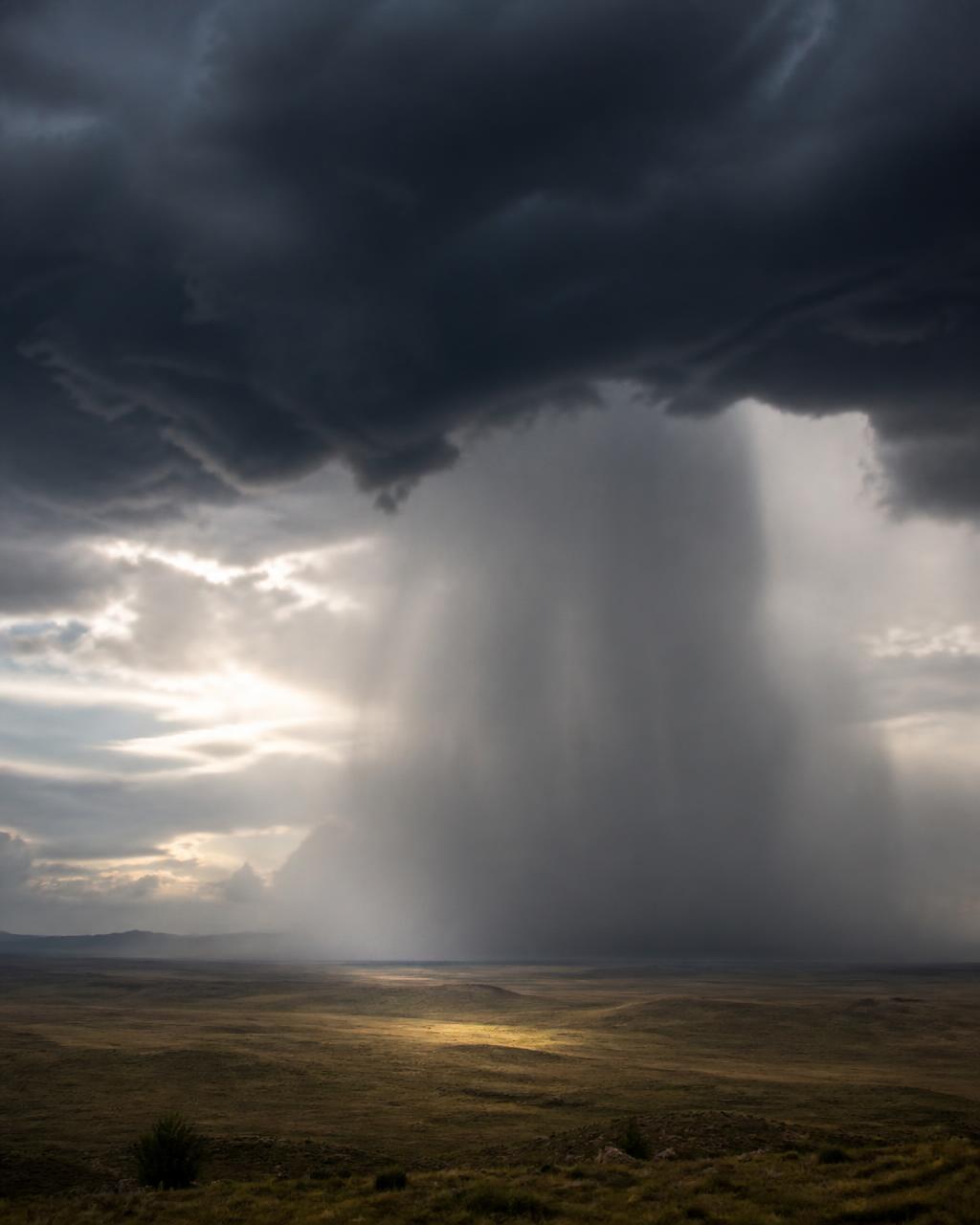
Dramatic rain shaft falling from a dark cloud over a wide open plain
No. 019Still · Open plain

A shadow cast by water

A rain shaft looks dark because the droplets are large enough to block and scatter light. You are seeing the boundary between cloud and ground where water becomes too heavy to stay up.

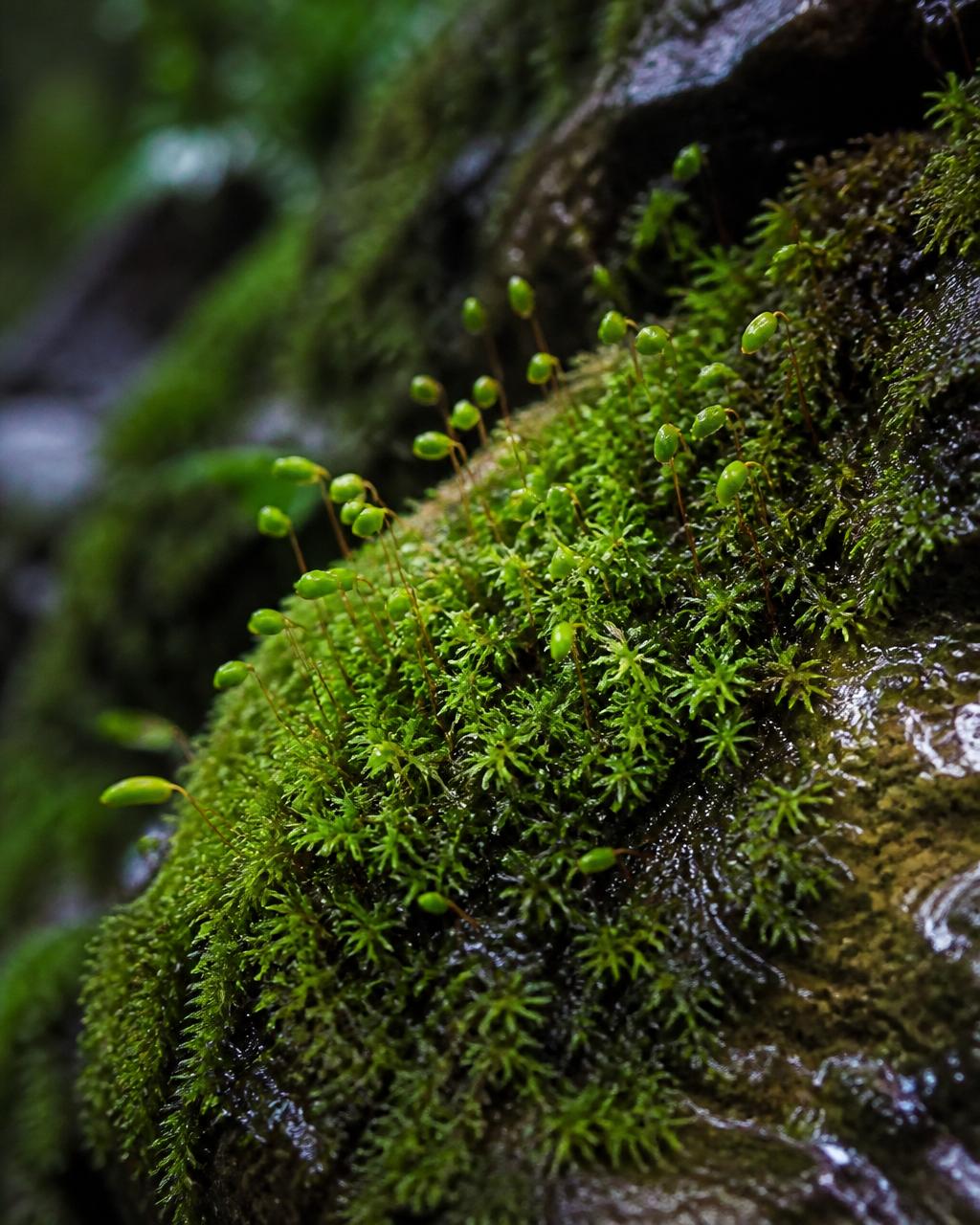
Close-up of lush green moss with tiny spore capsules growing on wet shaded stone
No. 020Still · Shaded stone

The oldest carpet

Mosses do not have true roots or vascular tissue. They drink through their surface and can survive drying out completely, waiting years for the next rain.

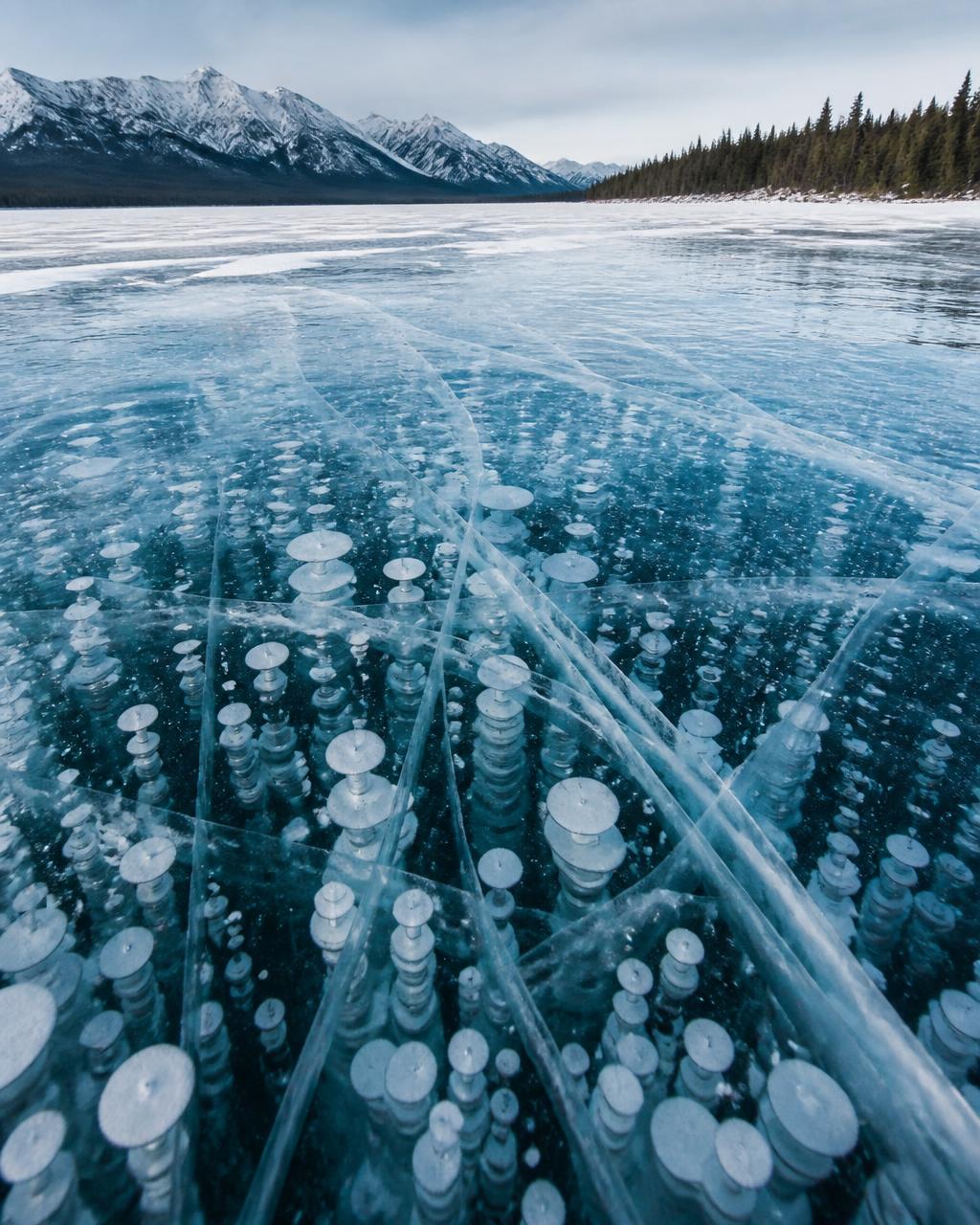
Frozen boreal lake with stacks of trapped methane bubbles suspended in clear blue ice
No. 021Still · Boreal lake

Air trapped in a winter lake

Bubbles freeze under the ice because lake bacteria release methane as they decompose plants. The gas rises, hits the ice ceiling, and is preserved like amber.

No. 022Motion · Geothermal basin

Water that boils underground

A geyser erupts when groundwater trapped in a narrow channel is heated past boiling but held down by the weight of the water above it. The moment the top layer spills, the pressure drops and the whole column flashes to steam at once.

No. 023Motion · High-latitude lake

The sky, conducting current

Aurora is not reflected light. Charged particles from the Sun follow Earth's magnetic field into the upper atmosphere and strike oxygen and nitrogen, which release that energy as green and violet light about 100 kilometres above the ground.

No. 024Motion · Open coast

Where the ocean runs out of room

A wave carries energy, not water. As it reaches shallow ground the base slows against the seabed while the crest keeps its speed, leans forward, and finally topples — which is the moment the energy is spent.

No. 025Motion · Night shoreline

The sea, lighting itself

This glow is chemistry, not moonlight. Tiny plankton called dinoflagellates flash blue whenever the water is disturbed — a burglar alarm meant to summon whatever eats their attacker.

No. 026Motion · Dark-sky ridge

The sky, dropping sparks

A meteor is not a star falling. It is a grain of dust — often no bigger than a pebble — hitting the atmosphere so fast that the air itself glows. What you see is the heat, not the rock.

No. 027Motion · Tidewater glacier

The glacier lets go

Where a glacier meets the sea, warm water undermines its front until the ice can no longer hold its own weight. The collapse sounds like thunder, and the wave it makes can travel for miles.

No. 028Motion · Basalt gorge

A river, mid-fall

A waterfall is a river crossing hard rock over soft. The soft layer erodes faster, the edge retreats upstream, and the falls slowly walk backward — sometimes a metre every few years.

New entries are added weekly. Everything published here is produced for this site — read the content policy.